

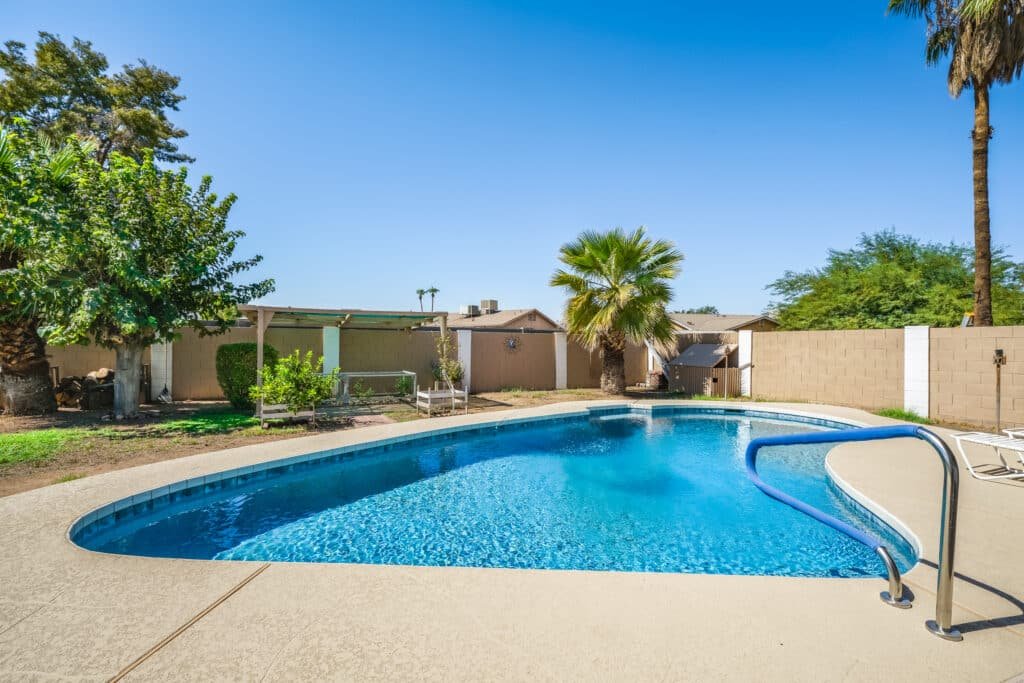
Pool resurfacing consists of replacing the existing finish on a swimming pool with a new one. The goal of pool resurfacing is to restore and/or improve its overall appearance while protecting it from further damage. It also improves water quality by preventing algae growth, reducing staining, and making it easier to clean. Depending on the condition of your pool, resurfacing may involve either minor repairs or more extensive reconstruction.
What Does Resurfacing Involve?
We need to assess your goals and the extent of the repairs. Pool resurfacing typically involves a few steps: repairing any structural damage, applying a new finish to protect the surface from future wear and tear, and refinishing it with the desired color and style. Depending on the scope of work, resurfacing can take anywhere from a few hours to several days to complete.
How Much Does Pool Resurfacing Cost?
The cost of pool resurfacing depends on many factors such as size and shape of the pool, condition of existing finish, type of new finishes desired, and material costs. Pool tile and pebble or plaster are usually installed at the same time, and if you’re seeing damage to the interior finish its likely the tile is aged and hallow as well. Generally speaking, resurfacing cost will depend on runs between $9 to $20 per square foot with an average cost of around $10 per square foot. You may need to pay for additional materials or repairs to complete the project correctly such as cement to fill any cracks or holes or brown coat for upgrades such as glass tile.
What Else Should I Consider?
Before beginning a pool resurfacing project, consider consulting with a professional pool contractor. A knowledgeable contractor can provide valuable advice about which materials and methods are best suited for your particular pool. They can also assess the condition of your existing finish and make sure that it is in proper working order before applying a new one.
Resurfacing a pool can be a great way to increase property value and improve your family’s enjoyment of the pool. With the right materials and techniques, you can keep your pool looking like new for years to come.
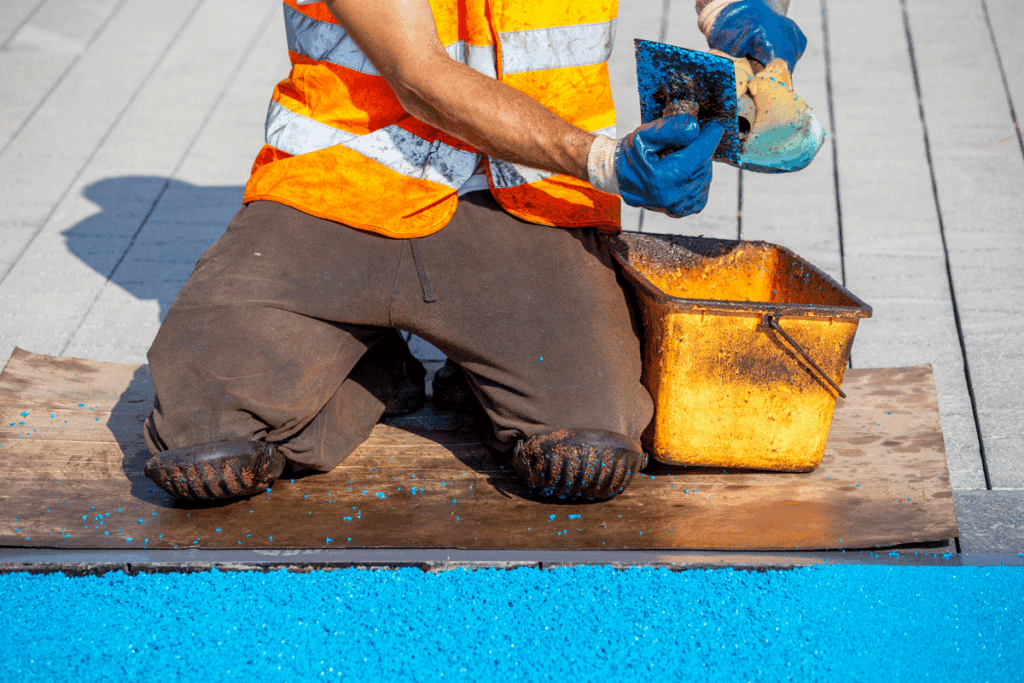
How Can I Make My Pool Resurfacing Last?
Though pool resurfacing is designed to last, there are a few steps you can take to help ensure your pool’s new finish lasts for many years. It’s important to maintain the chemical balance in your pool water. Chemical imbalances can cause corrosion to the surface which will reduce its lifespan dramatically. Additionally, you should regularly inspect and clean the pool area to prevent damage from debris and other sources. Hire a professional for all repairs or maintenance. There are plenty of low quality, quick fix products you can buy at home depot that will expedite deterioration. Products used by professionals are often not sold or available to home owners. If you’re unsure, just call us and ask. We are always available to offer consultations free of charge. With these simple steps, you can ensure that your resurfaced pool looks beautiful for many years to come.
Get Professional Advice
Our pool specialists are experienced in all aspects of pool resurfacing and can help you choose the right materials and techniques for your particular project. We can also provide guidance on how to maintain your finished pool surface and make sure it looks great for years to come. Contact us today to learn more about our services!
If you’re not sure which type of resurfacing material or technique is best for your pool, consider talking to a professional contractor. A knowledgeable contractor will be able to assess the condition of your existing finish and recommend the most appropriate solution for you. We can also advise on how to maintain the new surface so that it looks great and lasts for years!
Contact us to schedule a free consultation.
FAQs
1) How do I know if my pool needs resurfacing or a full remodel?
If you’re seeing roughness, stains that won’t lift, cracking, peeling, delamination, or exposed substrate, resurfacing is usually the next step. A full remodel may be recommended if there are deeper issues like persistent leaks, structural cracking, outdated plumbing/equipment, or if you want layout changes (steps, benches, Baja shelf, depth changes).
2) What’s typically included in the cost per square foot?
Per-square-foot pricing usually covers the interior finish removal/prep, surface repairs, and installation of the new finish (plaster or pebble). Many projects also include waterline tile and fittings at the same time. Costs can rise with upgrades like glass tile, specialty plaster, additional repair work, or extensive surface prep.
3) Why do pool tile and resurfacing often get done together?
If the interior finish is failing, the waterline tile is often aged, hollow, or compromised underneath, even if it still looks okay. Replacing tile during resurfacing helps avoid future issues and ensures the new finish and tile meet cleanly for a more polished final result.
4) How can I keep resurfacing costs down without sacrificing quality?
The best savings usually come from addressing issues early before cracking and damage spreads. Staying on top of water chemistry and brushing reduces premature wear. Also, avoid “quick-fix” patch products that can create bigger problems later. A professional inspection and a clear scope of work help prevent surprise repairs and change orders.
About the Author
Arrowhead Deck & Pools is a Phoenix-based team specializing in pool remodeling, decking, and outdoor upgrades built for Arizona living. We share practical guidance to help homeowners plan smarter projects and create outdoor spaces they’ll enjoy for years.
Website: https://arrowheaddeck.com/
Email: solutions@arrowheaddeck.com
Phone: +18558332525