

When it is time to resurface a pool in Phoenix or Scottsdale, the choice between standard plaster and pebble or aggregate finishes is the most important material decision you will make. Both have been used in Arizona pools for decades. Both work.
But they perform very differently in the desert climate, and the right choice depends on your budget, your timeline, and how long you plan to keep the pool.
This guide covers everything you need to compare the two options honestly, with Arizona conditions as the baseline rather than national averages that do not apply here.
What Is Pool Plaster?
Standard pool plaster is a mixture of white cement, marble dust, and water. It has been the most common pool interior finish for decades and remains widely used because of its lower upfront cost. When freshly applied, plaster produces a smooth, bright white surface.
The classic blue look of most backyard pools comes from this white interior reflecting the water’s color.
Plaster is applied by hand in a single-layer process and cures over approximately 28 days. The quality of the result depends heavily on the mix ratio, the crew’s technique, and how startup chemistry is managed during curing.
How Long Does Pool Plaster Last in Arizona?
Standard plaster in Arizona typically lasts 10 to 15 years before resurfacing becomes necessary.
This is shorter than national averages because of the desert’s specific stressors: hard water with high mineral content, intense year-round UV exposure, water temperatures that exceed 90 degrees through summer, and a high evaporation rate that concentrates minerals in the pool water.
As plaster ages in Arizona, it becomes rough and abrasive, absorbs stains more readily, and requires more aggressive chemical interventions to maintain balance. The roughness and persistent staining are the most common reasons Phoenix homeowners seek resurfacing.
What Is a Pebble Pool Finish?
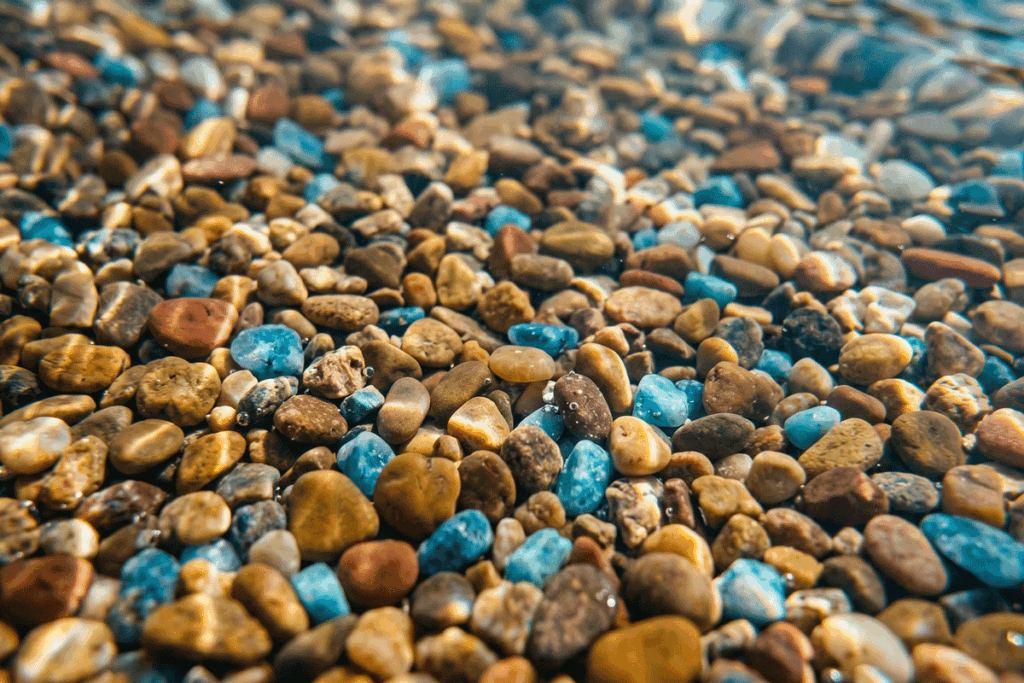
Pebble finishes are aggregate-based surfaces that embed small stones, quartz particles, or glass beads into a cementitious base. The finish is processed after application to expose the aggregate, creating a textured surface with visual depth that plaster cannot replicate.
The term pebble covers a wide product range. Natural river pebble surfaces have significant texture and a rustic appearance. Polished quartz and glass bead finishes are smooth to the touch and available in dozens of colors.
The color of the finish determines how the water looks when the pool is full, which is one of the primary reasons homeowners choose specific aggregate products. For more on available finishes, see our Pool Resurfacing Phoenix page.
How Long Does Pebble Finish Last in Arizona?
Quality pebble finishes typically last 15 to 25 years in Arizona with proper maintenance. The aggregate material is harder and more resistant to the chemical erosion that Arizona’s hard water and high temperatures accelerate.
The denser surface also absorbs minerals and organic compounds less readily, which translates to better stain resistance and less maintenance demand over the finish’s longer service life.
Pebble finishes also wear more gracefully than plaster. An aging aggregate surface looks less different from a new one than aging plaster does, which affects how the pool presents as it reaches the later years of its lifespan.
Plaster vs Pebble: Side-by-Side Comparison
Standard plaster costs less upfront, typically around 30 to 60 percent less than pebble for the same pool. It produces a clean, bright surface and has a shorter but predictable service life.
Pebble finishes cost more initially but last significantly longer in Arizona conditions, resist staining better, and offer far more color and texture customization.
Over a 20-year horizon, a single quality pebble resurface may cost less in total than two plaster resurfaces on the same pool, once you factor in the mobilization, prep, and labor involved in each project.
The higher upfront cost of pebble is partially or fully offset by reduced resurfacing frequency.
Which Pool Finish Is Right for Your Arizona Pool?
For most Phoenix and Scottsdale homeowners who plan to stay in their home for more than five to seven years, pebble or aggregate finishes offer better long-term value.
Arizona’s climate amplifies the durability advantage of harder aggregate surfaces relative to standard plaster in ways that matter more here than in cooler, lower-mineral markets.
Plaster remains a reasonable choice for homeowners focused on minimizing upfront cost, for pools that may be sold in the near term, or for situations where the pool’s future use is uncertain. The right choice depends on your timeline and priorities, not a blanket rule.
Arrowhead Deck and Pools can walk you through the specific finish products we use in Arizona pools and provide a detailed estimate that lets you compare options side by side. Request a Free Estimate to schedule a visit.
Maintaining Your Pool Finish in the Phoenix Climate
Regardless of which finish you choose, consistent water chemistry management is the single most important factor in maximizing its lifespan.
Arizona pools need more frequent chemistry monitoring than national recommendations suggest, especially during summer when evaporation is high and water temperatures accelerate chemical reactions.
Weekly brushing of all pool surfaces, regular testing of calcium hardness and total dissolved solids, and prompt response to any chemistry deviation all contribute meaningfully to how long your finish lasts.
The Application Process: Plaster vs Pebble
The installation process differs meaningfully between plaster and pebble finishes, and the difference matters for quality control.
Plaster is applied by hand in a single-layer process that must be completed within a specific time window to avoid visible lap marks or inconsistencies.
Pebble and aggregate finishes involve applying a base coat, embedding the aggregate material, and then processing the surface to achieve the desired texture and exposure.
Aggregate application is more complex and requires more specialized experience. Uneven aggregate exposure across the pool surface is visible and essentially impossible to correct after the finish cures.
When evaluating contractors for a pebble resurface, ask specifically how many pebble or aggregate projects they have completed in the Phoenix market and whether you can see examples of completed work.
Arrowhead Deck and Pools: Arizona Pool Finish Specialists
Arrowhead Deck and Pools has been resurfacing pools in Phoenix and Scottsdale since 2008. We work with both plaster and pebble finishes and can walk you through the specific products we use in Arizona pools and why we chose them for this climate.
Our estimates are detailed and itemized, and we are glad to explain what every component involves before you commit to anything.
If you are ready to resurface your pool or want to compare your options, Request a Free Estimate or call us at (855) 833-2525. We serve Phoenix, Scottsdale, Chandler, Gilbert, Tempe, Glendale, and surrounding Maricopa County communities.
A Note on Startup Chemistry Regardless of Finish Type
Both plaster and pebble finishes require careful startup chemistry management during the first 28 days after application. This phase is as important as the finish selection itself.
New plaster that cures in improperly balanced water develops permanent softness and stain susceptibility that shortens its effective lifespan. Pebble finishes are more forgiving of minor chemistry deviations but still benefit significantly from correct startup management.
Regardless of which finish you choose, ask your contractor specifically what startup protocol they follow and whether they monitor chemistry during the curing period.
Frequently Asked Questions
How long does pool plaster last in Arizona?
Standard pool plaster in Arizona typically lasts 10 to 15 years, sometimes less with inconsistent water chemistry or heavy use. Arizona’s hard water, high UV, and elevated water temperatures all accelerate wear compared to national averages.
How long does pebble finish last in Arizona?
Quality pebble and aggregate finishes in Arizona typically last 15 to 25 years with proper maintenance. The harder aggregate material resists the chemical erosion that Arizona’s water and climate conditions accelerate.
Is pebble finish worth the extra cost in Phoenix?
For most Phoenix homeowners planning to keep their pool for more than five years, yes. The longer lifespan, better stain resistance, and lower long-term maintenance demands typically offset the higher upfront cost, especially given Arizona’s demanding environment.
What is the most durable pool finish for Arizona?
Pebble and aggregate finishes consistently outperform standard plaster in Arizona’s climate. The harder surface material is more resistant to the chemical erosion driven by hard water, high temperatures, and intense UV exposure.
How much does pebble pool resurfacing cost in Phoenix?
Pebble resurfacing costs more than standard plaster, typically 30 to 60 percent more for the same pool depending on the specific product. For accurate pricing on your pool, an on-site estimate from a licensed Arizona contractor is the most reliable approach.