

When Phoenix homeowners think about pool resurfacing, the focus naturally goes to the finish. The color, the texture, the material type. That is understandable. The finish is what you see and feel every time you use the pool.
But experienced pool contractors in Arizona know that the durability and performance of any interior finish depends far more on the preparation work that happens before application than on the finish material itself.
Two pools resurfaced with identical materials in the same year can look dramatically different three years later. The difference is almost always in the prep.
What Pool Surface Preparation Actually Involves
Proper preparation means completely removing the existing interior surface down to the bare pool shell. This is done mechanically, by chipping, grinding, or sandblasting, until no residual plaster, scale deposits, or surface contamination remains.
A properly prepped pool shell is rough, clean, and free of anything that would prevent the new finish from bonding fully to the structure.
This is labor-intensive and time-consuming work. A standard residential pool in Phoenix should take an experienced crew two to four days to prep correctly. Projects where prep is completed in a few hours on a full-size pool are not being done to this standard, regardless of what the contractor says.
Signs Your Pool Needs Resurfacing
Pool interior surfaces give clear signals when they are approaching the end of their life.
Rough or abrasive texture that is uncomfortable for swimmers is the most common complaint in Arizona pools and typically indicates that the plaster has worn past the point of surface smoothness.
Widespread staining that does not respond to chemical treatment, visible hollow spots that sound different when tapped, and persistent water loss not attributable to equipment are all indicators that resurfacing is appropriate.
If your pool interior is showing multiple signs at once, the surface has likely reached the point where resurfacing now is more cost-effective than continued maintenance. Our Pool Resurfacing Phoenix page covers the full process and material options.
Why Incomplete Prep Causes Premature Failure
Pool interior finishes bond to the substrate through mechanical adhesion and chemical bonding. Both require a clean, roughened surface. If residual old plaster is left in place, if scale deposits are not fully removed, or if the shell is contaminated, the new finish cannot bond fully.
The result is delamination. Areas where the finish separates from the shell create hollow spots that expand as water infiltrates behind the unbonded surface.
These problems develop gradually over one to three years and often affect significant portions of the surface by the time the homeowner notices. The only correction is a complete redo.
Crack Repair Before Resurfacing
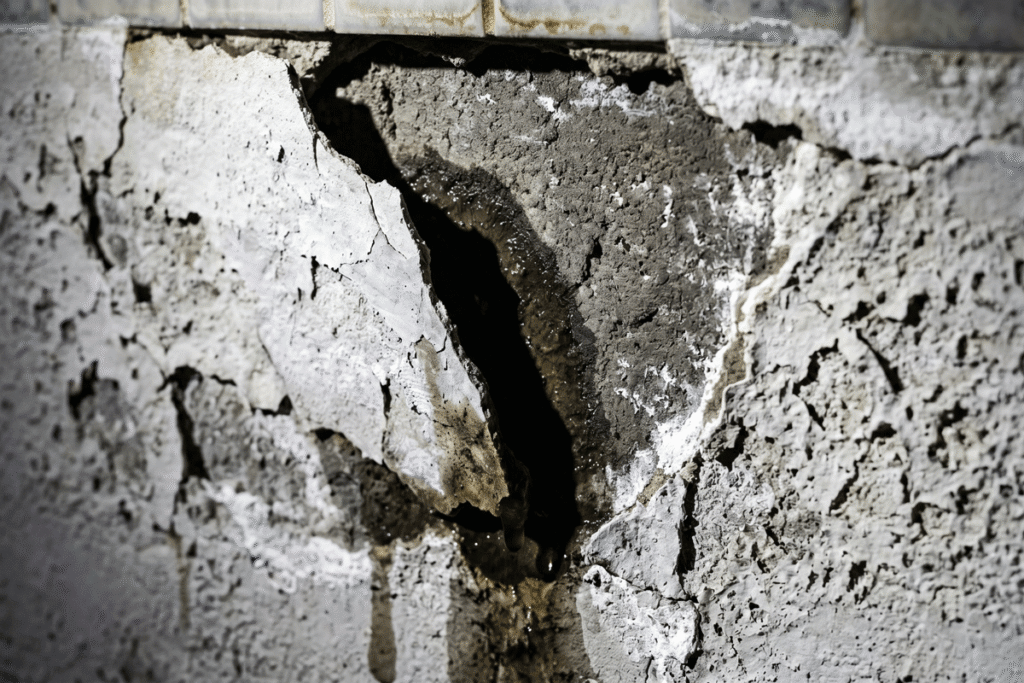
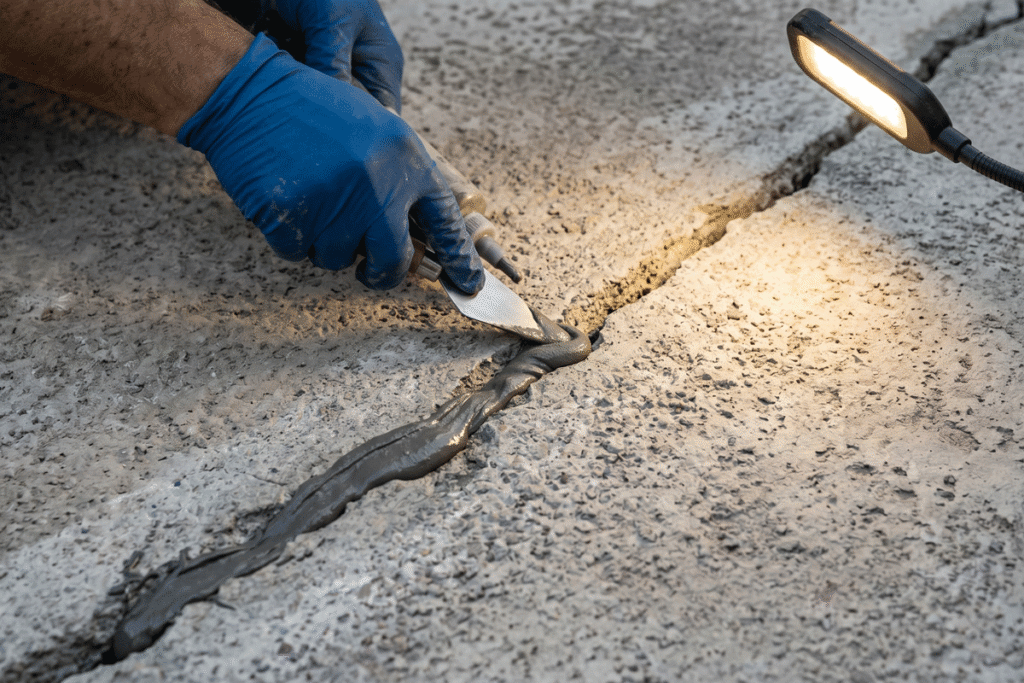
Thorough preparation includes identifying and repairing cracks in the pool shell before any new finish is applied. Hairline cracks in the existing plaster that do not penetrate the shell are different from cracks that run through the concrete structure.
Structural cracks require appropriate repair before any new surface goes on.
Applying new finish over active cracks without repair is one of the most common shortcuts in the pool industry. The new surface hides the crack temporarily.
The crack continues to move with thermal and soil forces, and the new finish cracks in the same location, typically more visibly than before, and with delamination around the crack line.
Hydrostatic Pressure Management in Arizona
When a Phoenix pool is drained for resurfacing, the hydrostatic relief valve in the main drain is opened to allow groundwater pressure to equalize against the shell rather than build beneath it. In Arizona, monsoon-season rainfall can rapidly saturate soil around pool structures.
An empty pool without managed hydrostatic pressure can experience shell movement that affects the new finish or, in more serious cases, lifts the pool shell itself.
Startup Chemistry as Part of the Preparation Process
The first 28 days after a new surface is applied are an extension of the preparation process. New plaster is chemically active as it cures. The water chemistry conditions during this period determine how hard and dense the finished surface becomes.
Incorrect startup chemistry, particularly pH that runs too low or too high during curing, permanently compromises the surface’s density and stain resistance in ways that cannot be corrected afterward.
A surface that cures incorrectly because startup chemistry was neglected will wear faster and stain more readily for its entire service life. This phase requires attentive management, ideally with involvement from the contractor who applied the finish.
How to Evaluate Prep Standards When Getting Quotes
Ask direct questions during the estimate process: How do you remove the existing surface? What do you do when you find a structural crack? How long does prep typically take for a pool this size? What happens if something unexpected is found during prep?
A contractor who answers specifically and confidently is doing the work. A contractor who is vague or treats prep as a minor step is giving you important information. Prep work does not show in finished photos, but it determines whether your pool still looks right in five, ten, and fifteen years.
At Arrowhead Deck and Pools, we have been resurfacing pools in Phoenix and Scottsdale since 2008. Our prep process is thorough because the outcome depends on it. Request a Free Estimate to learn what we would do with your specific pool.
What to Expect During the Prep Phase of Your Pool Resurface
If you are present during the prep phase of your pool resurface, here is what quality work looks like. The crew arrives with appropriate equipment for mechanical removal, either chipping hammers, grinders, or a sandblasting setup depending on the condition of the existing surface.
Debris is managed and removed systematically. The existing finish comes off in sections until the entire shell surface is exposed.
Once the shell is bare, the contractor walks the pool to identify cracks, evaluate their depth and type, and determine what repair approach is appropriate. This inspection takes time and should be thorough.
Any cracks that penetrate the structural shell are repaired before the new finish goes on, not patched cosmetically at the surface.
The shell is then cleaned and inspected again before application begins. A properly prepped pool shell looks and feels noticeably different from one where prep was abbreviated.
If you have any doubt about what you are looking at, ask the contractor to walk you through what they found and what they addressed.
Arrowhead Deck and Pools: Thorough Prep Every Time
At Arrowhead Deck and Pools, thorough surface preparation is not a premium option. It is how every project starts. We have been resurfacing pools in Phoenix and Scottsdale since 2008, and we have seen directly how preparation quality determines the long-term result.
Our process includes complete mechanical removal, thorough crack evaluation and repair, proper hydrostatic management, and a structured startup protocol.
If you are planning a pool resurface and want to understand exactly what our process involves for your specific pool, Request a Free Estimate or call us at (855) 833-2525 to schedule an on-site visit.
Frequently Asked Questions
How long should pool resurfacing prep take in Phoenix?
Thorough preparation for a standard residential pool in Phoenix typically takes two to four days. Pools with multiple prior resurfacing layers or significant crack repair may take longer. A prep phase completed in a few hours on a full-size pool warrants close scrutiny of the contractor’s process.
What causes pool plaster to delaminate?
Delamination occurs when the finish separates from the shell beneath it. The most common cause is inadequate surface preparation. If residual old plaster or contamination is left on the shell, the new finish cannot bond fully.
Water infiltrates behind the unbonded areas and progressively undermines the surface.
Can I watch pool resurfacing prep work to verify it is being done correctly?
Yes, and you are encouraged to. A reputable contractor will walk you through the pool after prep and before application so you can see the shell condition and understand what repairs were made. Being present during prep is entirely reasonable.
Why do some pool resurfaces fail within a few years?
Premature failures almost always trace back to inadequate surface preparation, incorrect startup chemistry, or both. The finish material itself rarely fails before its expected time when preparation and startup are done correctly.
What is the difference between acid washing and resurfacing a pool?
Acid washing removes surface scale, staining, and a very thin layer of surface material. It can extend the life of a finish in reasonable condition. It does not replace the mechanical removal of the existing finish that is required before a new surface can be properly bonded and applied.